Wood guide
Know your wood.
Every wood has its own hardness, color and personality. Here's what we work with and why you might choose one over another.
About the wood
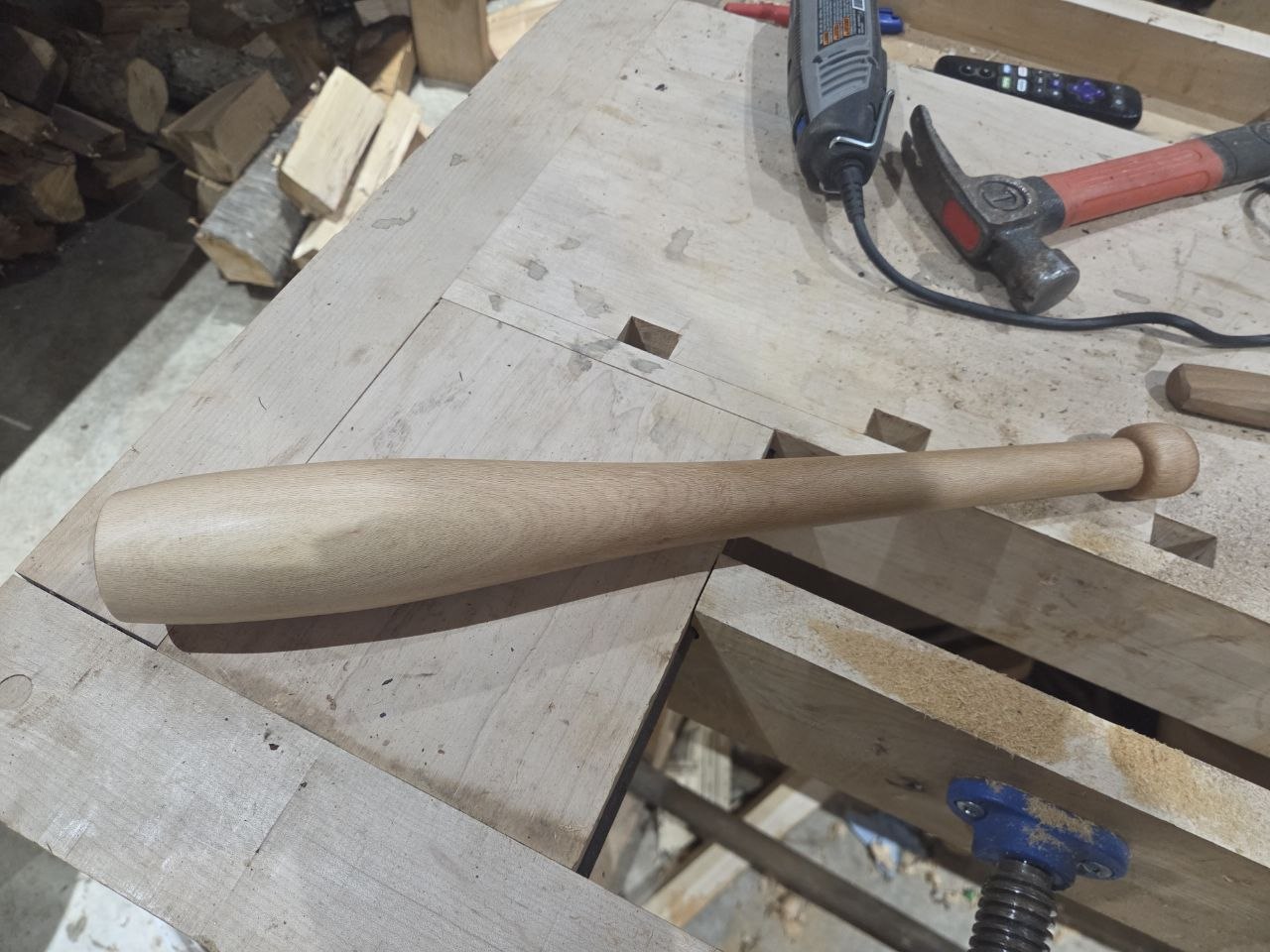
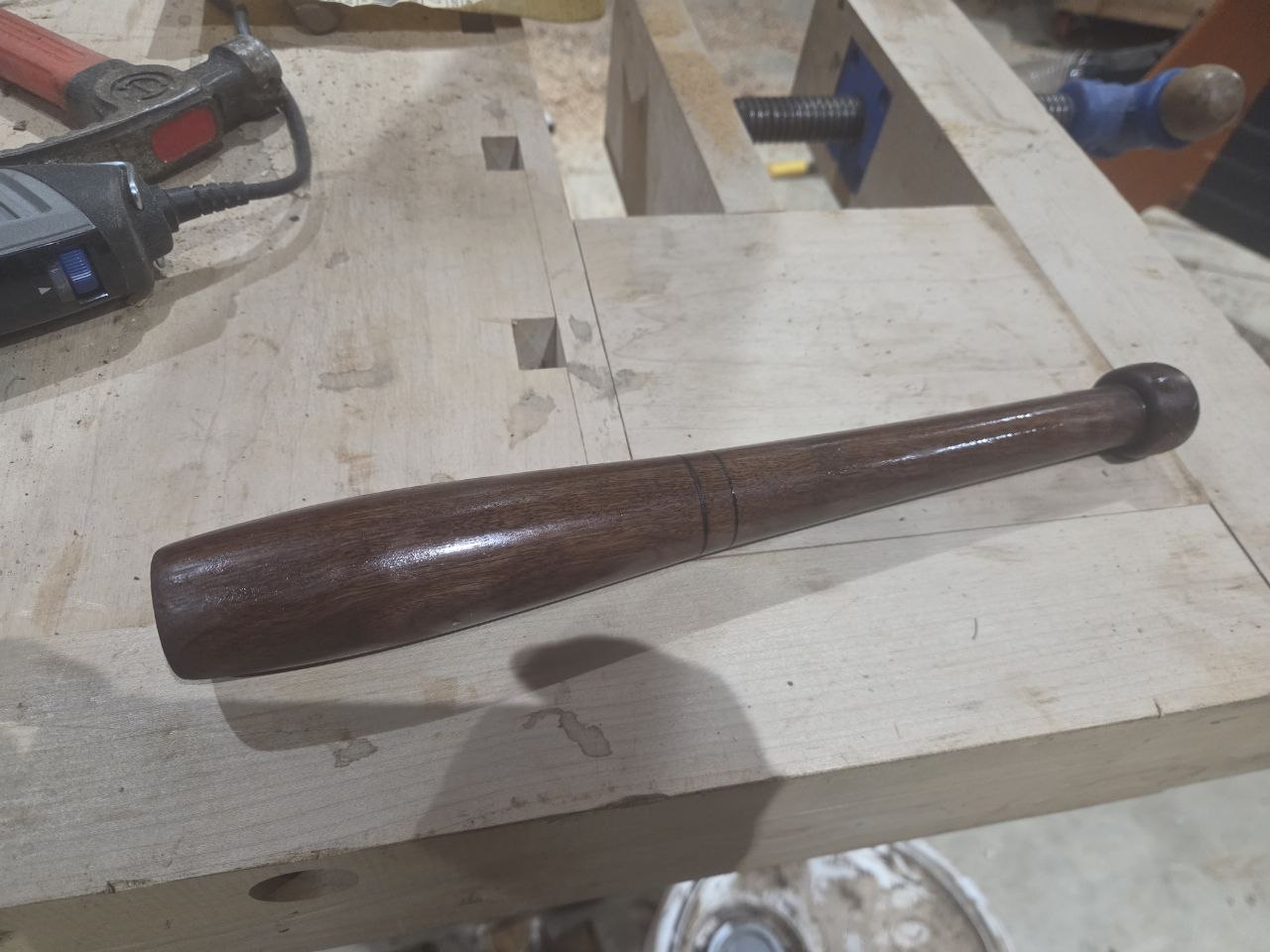
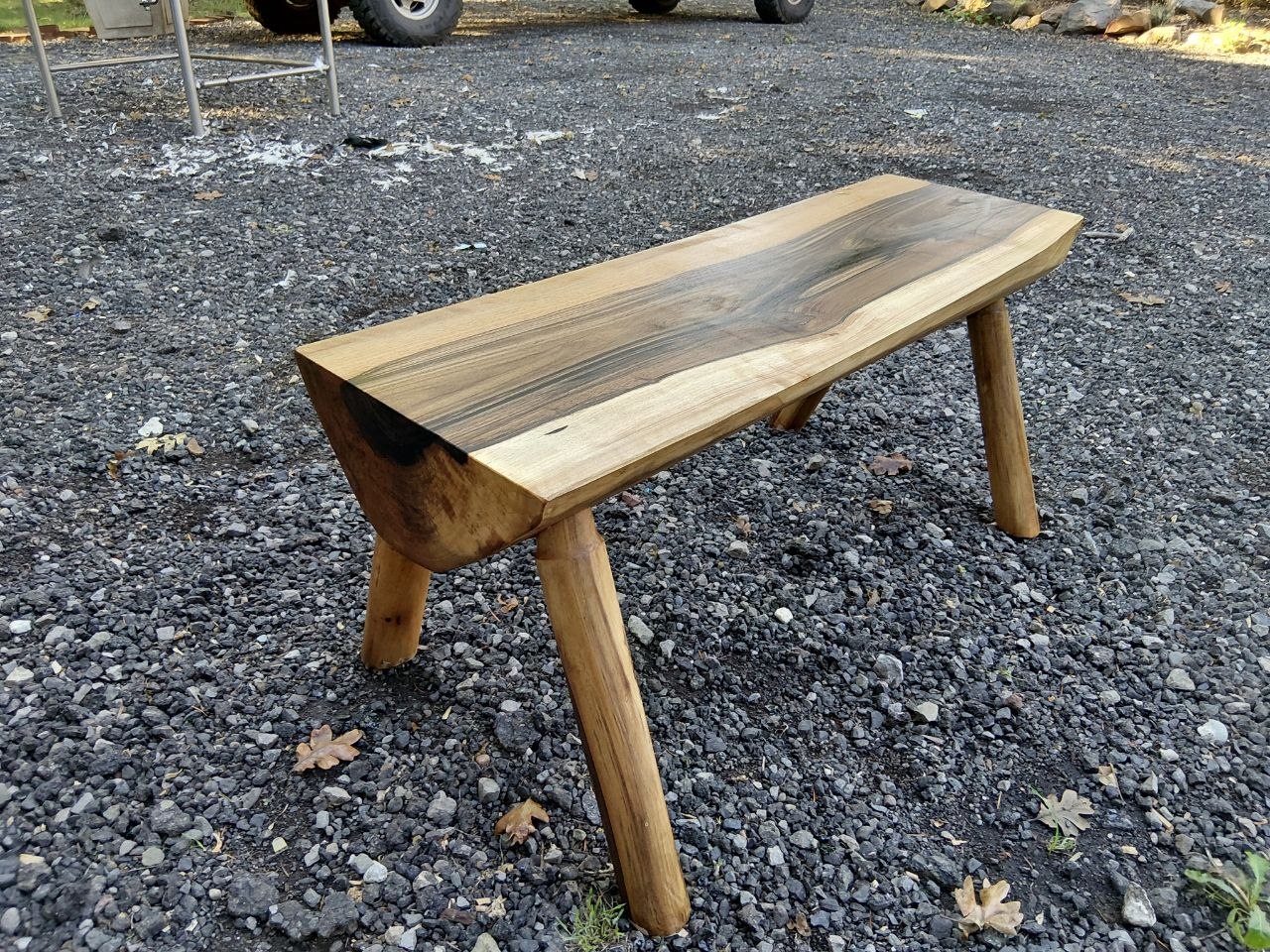
Black Walnut
Juglans nigra
The classic American furniture wood, with a deep chocolate heartwood.
Hardness (Janka)
1,010 lbf
Force to press a steel ball halfway in. For scale: Basswood 410, White oak 1,350, Lignum vitae 4,390.
Great for
- Cutting boards, serving boards and bowls
- Furniture and cabinets
- Anything you want to look rich and age well
Why we like it
- Rated very durable against decay, one of the more rot-resistant domestic hardwoods
- Medium hardness: tough enough for daily use, and comfortable to work by hand
- Works, turns and finishes beautifully
Did you know?
- Walnut's heartwood is naturally resistant to rot and weathering. Insects are the one thing that likes the taste of it.
- Along with black cherry, it's considered a premier American cabinet hardwood.
- The dark chocolate heartwood and pale sapwood together give every piece its own pattern.
Care: Wipe clean and dry. Refresh with a food-safe oil now and then.
Wood data from The Wood Database.
About the wood
Bigleaf Maple
Acer macrophyllum
The maple of the Pacific Northwest, pale and fine-grained, and sometimes wildly figured.
Hardness (Janka)
850 lbf
Force to press a steel ball halfway in. For scale: Basswood 410, White oak 1,350, Lignum vitae 4,390.
Great for
- Kitchen tools like spatulas and rolling pins
- Turned bowls and small objects
- Musical instruments (it's a guitar-top favorite when figured)
Why we like it
- Fine, even texture that turns and finishes smoothly
- Light, bright color that shows off a hand-rubbed finish
- Fairly easy to work with both hand and machine tools
Did you know?
- Bigleaf maple has the largest leaves of any maple, often 6 to 12 inches across.
- It's virtually the only commercial maple species on the U.S. west coast.
- The highest grades of 'quilted' figure, a rippling pattern like quilted fabric, come from bigleaf maple.
- Only a small share of trees show strong figure, which is why a figured piece is special.
Care: Keep it indoors and dry. Hand wash quickly and oil occasionally.
Wood data from The Wood Database.
Pieces in Bigleaf Maple
About the wood
Black Cherry
Prunus serotina
Starts light pink and darkens into a deep reddish brown over the years.
Hardness (Janka)
950 lbf
Force to press a steel ball halfway in. For scale: Basswood 410, White oak 1,350, Lignum vitae 4,390.
Great for
- Boards, bowls and turned pieces
- Fine furniture and cabinets
- Pieces you want to look richer every year
Why we like it
- Known as one of the best all-around woods for workability: stable, straight-grained and smooth to cut
- Heartwood is rated very durable against decay
- Fine, even texture with a moderate natural luster
Did you know?
- Cherry develops a rich reddish-brown patina as it ages, and the color is so loved that other woods are stained to imitate it.
- Sunlight speeds the darkening, so a piece on a sunny shelf changes faster.
- Like walnut, it's considered a premier American cabinet hardwood.
Care: Keep it out of strong direct sun if you want it to darken slowly.
Wood data from The Wood Database.
Pieces in Black Cherry
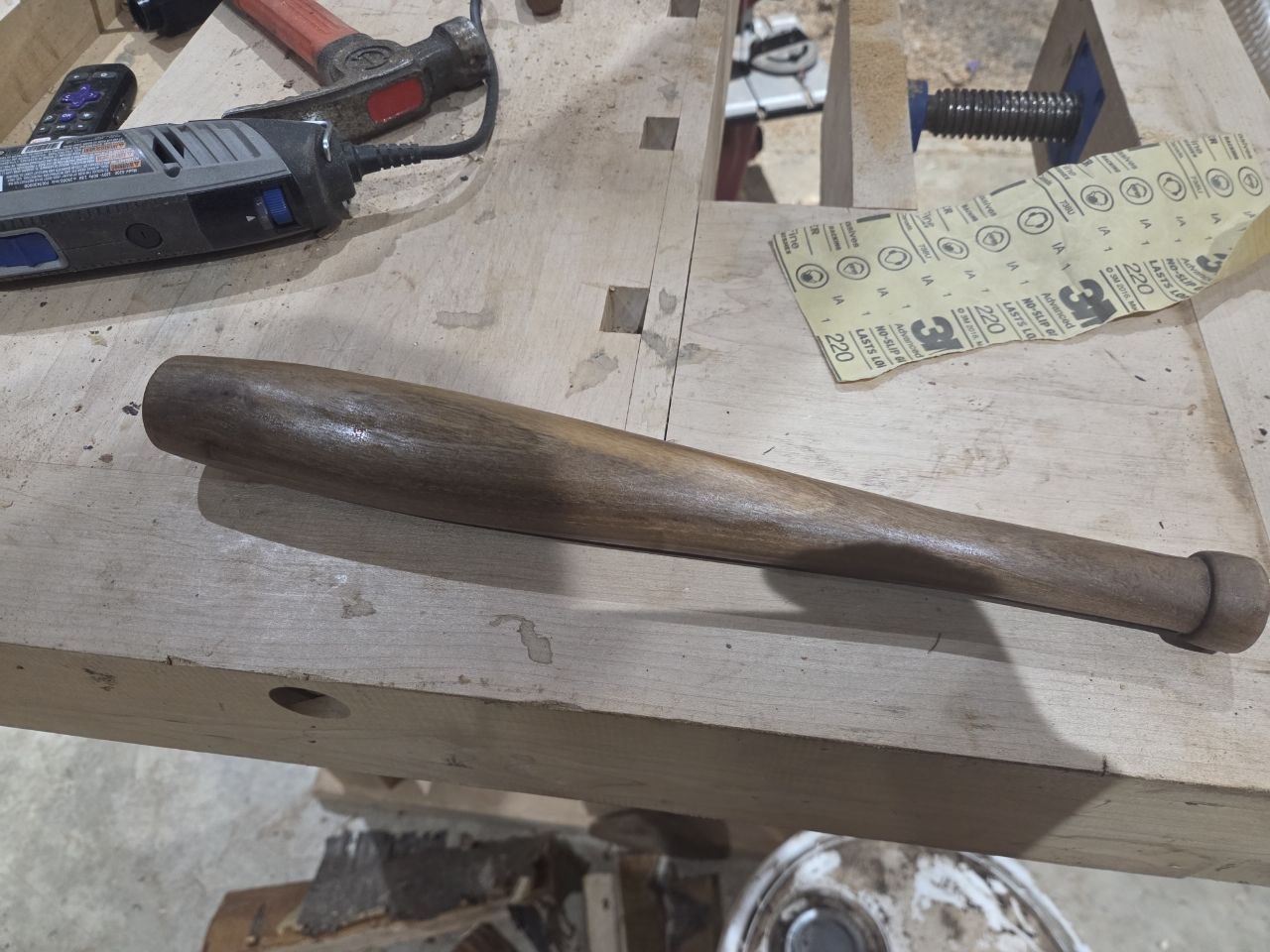
About the wood
Apple
Malus domestica
Dense, hard and sweet-smelling, and great for turning.
Hardness (Janka)
1,730 lbf
Force to press a steel ball halfway in. For scale: Basswood 410, White oak 1,350, Lignum vitae 4,390.
Great for
- Small turned pieces
- Tool handles and mallet heads
- Carving
Why we like it
- Significantly harder and heavier than cherry
- Very fine, uniform texture
- Turns, glues and finishes well
Did you know?
- Apple smells faintly sweet while it's being worked.
- It looks a lot like cherry but is significantly heavier and harder.
- Apple trees are small, so the wood comes in small pieces. That makes it a rare find for woodworkers.
Care: Dry it quickly after washing. Apple moves with the seasons, so keep it from big swings in humidity.
Wood data from The Wood Database.
Pieces in Apple
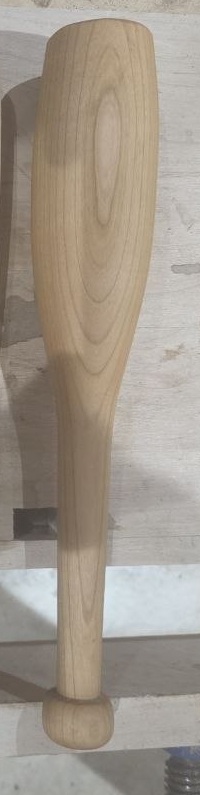
About the wood
White Oak
Quercus alba
Strong, beautiful and rot-resistant, the wood of ships and whiskey barrels.
Hardness (Janka)
1,350 lbf
Force to press a steel ball halfway in. For scale: Basswood 410, White oak 1,350, Lignum vitae 4,390.
Great for
- Benches and outdoor-leaning pieces
- Cutting boards and heavy-use items
- Furniture
Why we like it
- Rated very durable against rot
- Medium-hard: a sturdy choice for heavy use
- Takes glue, stain and finish well
Did you know?
- White oak is used for boatbuilding and for barrels that hold liquid, because its pores are plugged with tiny bubble-like structures called tyloses.
- Red oak lacks those plugs and isn't rot resistant, a key difference between the two.
- White oak can stain dark where it touches wet iron.
Care: Wipe dry. Avoid leaving it wet against steel.
Wood data from The Wood Database.
Have a walnut, cherry, apple, oak or maple coming down?
Tell us about your tree →